Social Media Strategy & Execution: Mastering the Digital Campaign
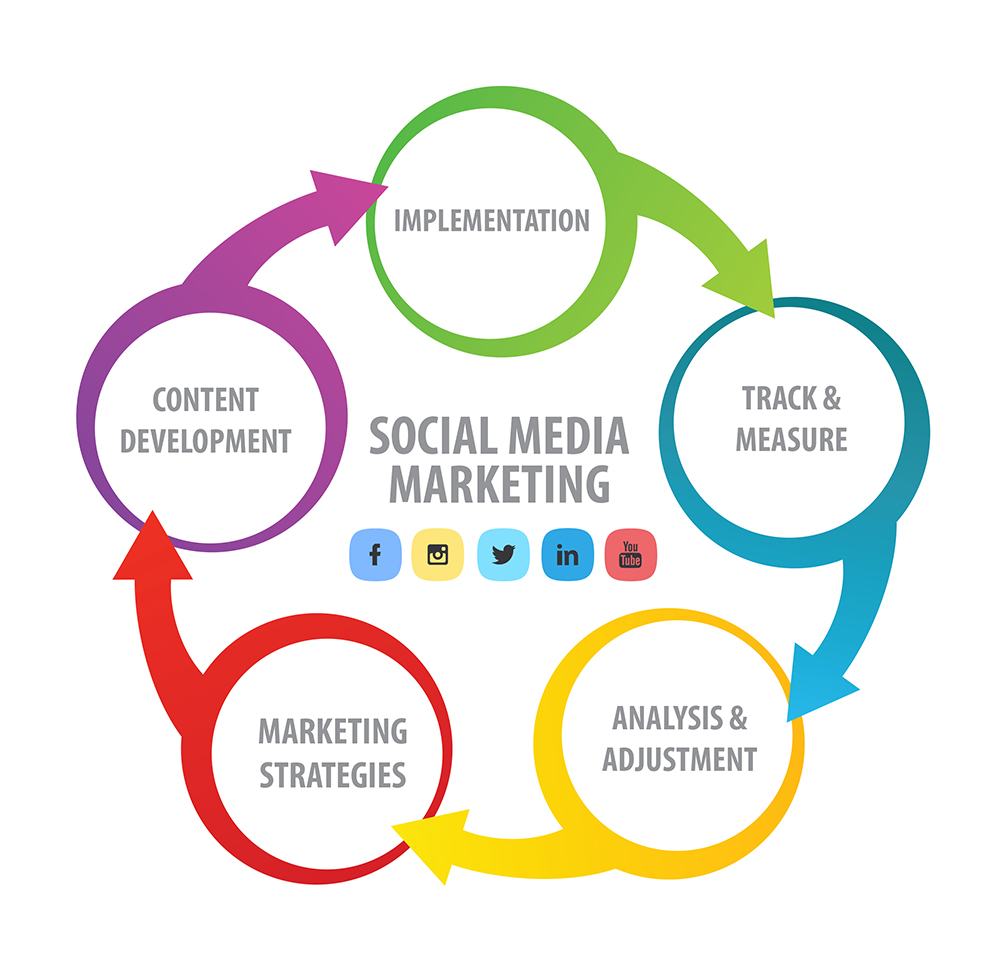
Social media has become one of the most powerful tools in the political campaigner's toolkit. With the ability to directly reach millions of voters, share your message instantly, and build community engagement, social media is integral to modern political campaigns. But it’s not enough to simply have a presence online—you need a well-thought-out strategy and the ability to execute it effectively. This article will guide you through the essentials of social media strategy and execution in political campaigns, ensuring that you engage with voters, drive action, and build momentum for your candidacy.
Setting Up a Social Media Campaign
The first step in creating a social media campaign is deciding which platforms to focus on. Each platform has its own audience and strengths, so it's important to choose the ones that best align with your campaign's goals and target audience.
Choosing the Right Platforms for Your Campaign
Not all social media platforms are created equal. Each has its strengths, weaknesses, and audience demographics. Here's a breakdown of the most popular platforms for political campaigns:
Understanding where your potential voters spend their time will help you focus your efforts on the platforms that matter most.
Establishing Clear Goals and Objectives
Before posting anything, it’s crucial to set clear, measurable goals for your social media campaign. Do you want to increase awareness? Mobilize volunteers? Drive donations? Each goal requires a different approach, so knowing what you're trying to achieve is key.
Understanding Your Target Audience
Knowing your target audience is essential. Are you targeting younger voters? Suburban families? College students? Understanding your audience's demographics, values, and concerns will help tailor your social media efforts to resonate with them.
Crafting a Social Media Message
A powerful message is central to any successful campaign.
Your message should reflect the core values of your campaign and address the
issues that matter most to your voters.
Defining Your Core Message
Your message should be clear, concise, and compelling. It should highlight why you’re running, what you stand for, and how you plan to make a difference. Think about the key issues that matter to your audience—whether it's healthcare, education, or climate change—and build your
message around those themes.
Aligning Your Message with Your Campaign’s Values
Your social media message should be consistent with the broader narrative of your campaign. If your campaign focuses on integrity, honesty, and transparency, your posts should reflect these values. Authenticity is key—voters are more likely to trust and engage with a candidate whose message feels real and consistent.
Using Storytelling to Engage Voters
People connect with stories more than they connect with dry facts or statistics. Use storytelling to humanize your campaign. Share personal anecdotes, success stories, and stories of people who have been positively impacted by your policies.
Content Creation and Scheduling
Once you have a message, the next step is creating content. The key to successful social media execution is a balance of creativity, consistency, and timing.
Types of Content to Share on Social Media
Not all content is equal. Here’s a breakdown of the
different types of content you should be sharing:
Scheduling and Timing Your Posts for Maximum Impact
Timing is everything on social media. You want to post when your target audience is most active. Tools like Buffer or Hootsuite can help schedule posts for optimal times. Additionally, keep track of events and debates, as posting in real-time can increase engagement.
Engaging with Your Audience
Social media is not a one-way communication channel. It’s crucial to engage with your audience by responding to comments, sharing user-generated content, and building relationships with followers.
Building Relationships with Voters Online
Respond to comments, direct messages, and mentions to show that you value your supporters' input. Personalized responses make voters feel heard and appreciated.
Responding to Comments and Questions
Take the time to respond to questions and comments—whether they are supportive or critical. This shows that you are approachable and transparent. It also allows you to address any misinformation or concerns that may arise.
Encouraging User-Generated Content
Encourage your supporters to share their own stories, photos, and videos related to your campaign. User-generated content adds authenticity to your social media presence and can create a sense of community around your campaign.
Paid Advertising on Social Media
While organic reach is important, paid social media advertising can help extend your campaign’s reach and impact.
Benefits of Paid Social Media Campaigns
Paid ads allow you to target specific voter groups based on demographics, interests, and behaviors. With the right targeting, social media ads can drive engagement, donations, and voter turnout.
Setting Up Effective Ads and Targeting Your Audience
You can create highly targeted ads on platforms like Facebook, Instagram, and Twitter. These ads can be designed to promote events, encourage donations, or simply raise awareness. Be sure to test different ad formats and messaging to see what works best.
Analyzing ROI on Social Media Advertising
It’s essential to measure the effectiveness of your paid campaigns. Use analytics tools to track conversions, engagement, and ROI. This will help you refine your strategy and ensure that your ad spend is being used effectively.
Tracking Performance: Metrics and Analytics
Tracking the performance of your social media efforts is key to optimizing your strategy. Without insights into what's working and what’s not, it's impossible to make data-driven decisions.
Key Performance Indicators (KPIs) to Track
Some important KPIs for political campaigns include:
Tools for Monitoring Social Media Success
Platforms like Google Analytics, Facebook Insights, and Twitter Analytics provide detailed reports on your social media performance. These tools can help you track how well your posts are performing and adjust your strategy accordingly.
Adjusting Your Strategy Based on Insights
Use the data you gather to continuously improve your strategy. If certain types of content or platforms aren’t delivering the desired results, adjust your approach. Social media strategies should evolve based on performance.
Dealing with Negative Feedback and Crisis Management
'No matter how well you manage your social media, negative feedback will inevitably arise. Handling it effectively is crucial to maintaining your campaign’s integrity.
Handling Negative Comments and Criticism
Respond to criticism calmly and professionally. Avoid getting defensive or engaging in arguments. Instead, acknowledge concerns, offer solutions, or clarify misunderstandings in a respectful manner.
Turning Negative Feedback into Opportunities
Negative comments can be an opportunity to showcase your values—whether it's your commitment to transparency or your willingness to engage with all voters, even those who disagree.
Crisis Management: How to Stay Calm and Address Issues
In times of crisis, stay calm and issue a clear, concise
statement that addresses the issue. Use social media to keep your supporters
informed and reassure them that the situation is being handled.