
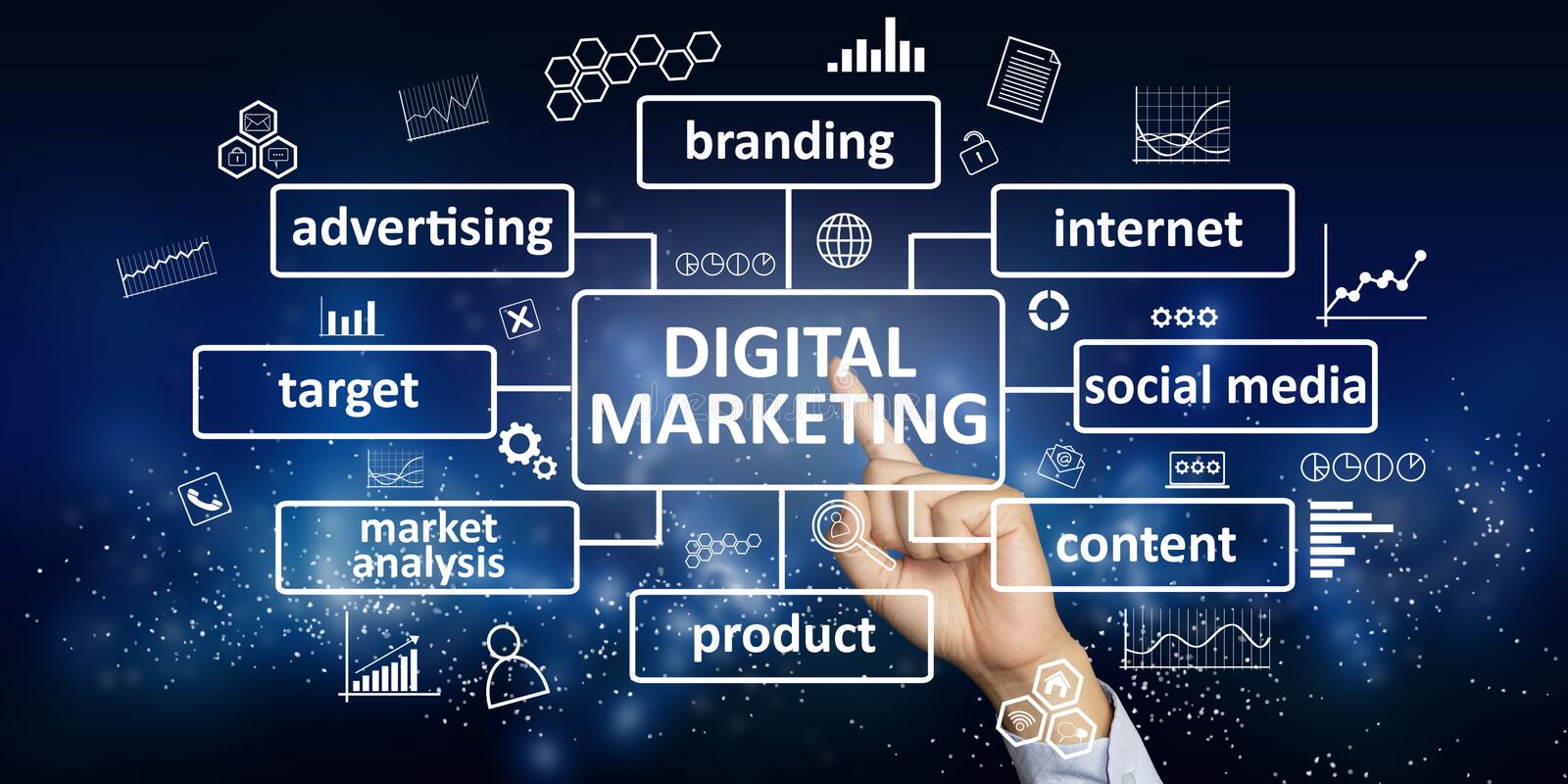
Corporate Digital Marketing
What Is Corporate Digital Marketing?
Corporate digital marketing refers to the strategic promotion of a company's brand, products, or services through digital channels. It’s the modern face of marketing for large-scale businesses that need to stay visible and relevant in an ever-changing digital world. Unlike individual or small business marketing, corporate digital marketing is more complex, involving multi-layered campaigns, diverse audiences, and multiple platforms working in harmony.
Think of it as a symphony—each marketing channel is an instrument, and when played correctly, they create a powerful, cohesive message that resonates with customers. From Google search results to social media feeds, corporate digital marketing ensures that wherever your audience is online, your brand is present and compelling.
This approach encompasses everything from your company’s website, blog, and social media channels to email newsletters, video content, paid ads, and even online PR. It's not about random posts or scattered campaigns—it's about strategy, consistency, and results. Corporations rely heavily on data-driven decisions, using analytics to measure success and refine tactics.
What makes corporate digital marketing essential is its scalability and reach. With the right tools and strategy, a business can connect with millions, drive high-value leads, and ultimately boost its bottom line—all in real time.
Core Components of a Digital Marketing Strategy
SEO (Search Engine Optimization)
Search Engine Optimization (SEO) is the backbone of digital visibility. When potential customers Google keywords related to your business, SEO determines whether your site shows up—or gets lost in the noise. For corporations, appearing on the first page of search results is not just valuable; it's often non-negotiable.
Corporate SEO involves more than basic keyword usage. It includes technical SEO (like site speed and mobile optimization), on-page SEO (optimizing content and meta tags), and off-page SEO (earning backlinks and domain authority). It also requires a deep understanding of search algorithms and regular updates to adapt to changes.
A corporate website often spans hundreds or thousands of pages, so SEO must be scalable and data-driven. Tools like SEMrush, Ahrefs, and Google Search Console help monitor performance, identify opportunities, and track competitors.
SEO isn’t a one-time effort—it’s an ongoing process. But when done right, it offers unmatched ROI. Organic traffic converts well, builds credibility, and works 24/7 without ad spend.
PPC (Pay-Per-Click Advertising)
PPC advertising offers corporations instant visibility on search engines and social platforms. Unlike SEO, which takes time, PPC delivers results quickly by placing your ads directly in front of target audiences. Google Ads, LinkedIn Ads, and YouTube campaigns are popular PPC platforms for corporate marketing.
With PPC, you only pay when someone clicks on your ad, making it a cost-effective tool—if managed correctly. Campaigns must be meticulously crafted with the right keywords, compelling ad copy, and optimized landing pages to ensure maximum conversion.
Corporate PPC strategies often involve multiple campaigns targeting different stages of the buyer journey—from awareness to consideration to purchase. They’re backed by extensive A/B testing, retargeting techniques, and real-time performance analytics.
PPC is not just about driving traffic; it’s about driving qualified traffic. When executed well, it complements organic efforts, fills sales pipelines, and accelerates business outcomes.
Content Marketing
Content is still king—and for corporate brands, it’s also the voice, the trust-builder, and the conversion driver. Content marketing revolves around creating valuable, relevant, and consistent content to attract and retain clearly defined audiences.
For corporations, this means producing whitepapers, case studies, thought leadership blogs, eBooks, videos, infographics, and more. The goal is not just to inform, but to guide, engage, and convert. A great content strategy positions the brand as a trusted authority in its industry.
Corporate content must align with brand tone and messaging across all platforms. It must also be optimized for search, crafted for different buyer personas, and supported by a content calendar for regular publishing.
In B2B especially, content is critical. Decision-makers do extensive research before choosing a vendor, and informative, high-value content can significantly influence their choices.
Email Marketing
Despite the rise of social media, email marketing remains one of the most effective tools in a corporate marketer’s arsenal. It allows direct communication with leads, customers, and stakeholders, nurturing relationships over time.
For corporations, email campaigns go beyond simple newsletters. They include onboarding sequences, promotional offers, industry insights, event invites, and personalized updates. Tools like Mailchimp, HubSpot, and Salesforce Marketing Cloud help automate and segment these emails for higher impact.
Segmentation is key. By targeting users based on behavior,
interests, or demographics, corporations can deliver highly relevant messages
that drive engagement and conversions. A/B testing subject lines, content, and
CTAs ensures continuous improvement.
Email marketing is measurable. Open rates, click-through
rates, and conversion stats help refine messaging and increase ROI.